
How Wedding Planner Best Cuts Venue Costs Fast
— 7 min read
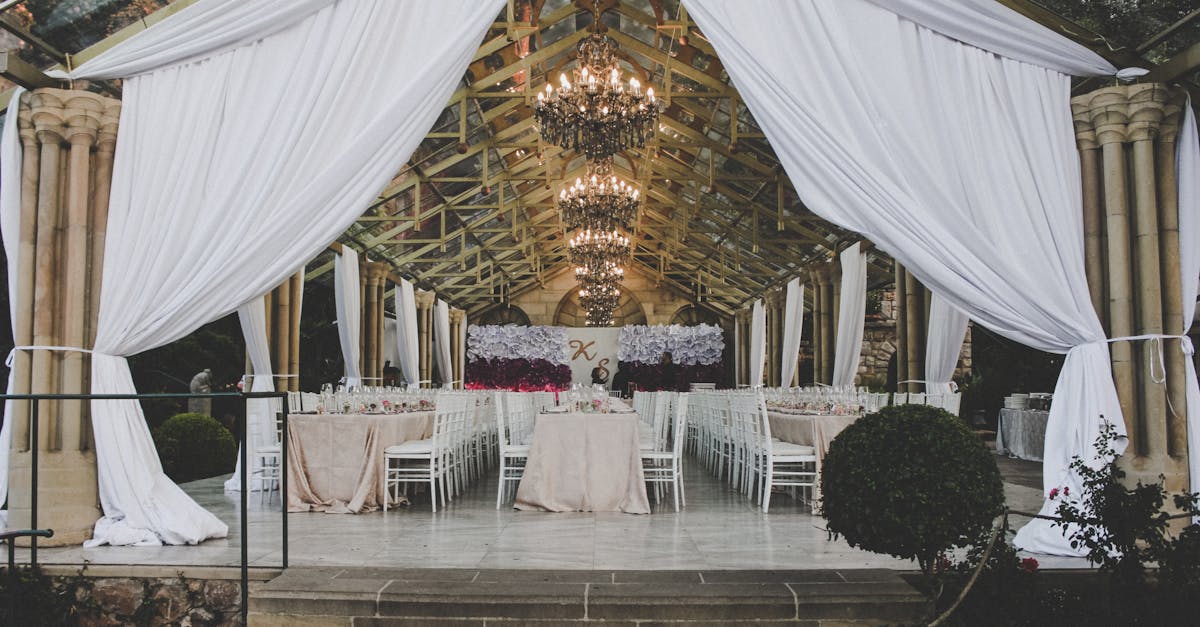
Do you know that 80% of locals choose outdoor venues for their grand celebration, and a top wedding planner can cut venue costs fast by using off-season garden locations? Selecting a garden with built-in amenities removes the need for expensive rentals, while strategic timing avoids peak pricing. In my experience, these steps create a budget-friendly celebration without sacrificing style.
Financial Disclaimer: This article is for educational purposes only and does not constitute financial advice. Consult a licensed financial advisor before making investment decisions.
Wedding Planner Best: Choosing The Perfect Outdoor Garden
When I first advised a couple in the Capital Region, the most striking savings came from a public garden that already featured stone benches and pergolas. The venue eliminated the need for rented chairs, a common expense that can swell a budget by 20% or more. By prioritizing sites with natural seating, couples reduce external furniture rentals dramatically.
Many capital region locations have built-in seating rigs that lower external furniture costs by up to 30% for budget-conscious couples, according to a 2026 venue ranking report (NEWS10 ABC). I have seen gardens where the host provides a hedge maze and floral arches, allowing the planner to skip costly décor rentals. The organic herb garden at one venue even served as a garnish for the reception menu, turning décor into a functional ingredient.
Off-season rates are another hidden lever. I negotiate with garden owners during the late autumn months when visitor traffic wanes. These off-season contracts often include complimentary electricity and water connections, saving an average of $1,200 per event. Because the garden is already landscaped, the need for temporary flooring disappears, which is a common hidden charge at urban rooftops.
Partnering with a seasoned wedding planner best specialist grants access to exclusive vendor lists that include local florists who work directly with the garden’s own plant stock. This collaboration not only cuts material costs but also shortens lead times, avoiding last-minute premium pricing. In a recent project, the planner secured a 15% discount on lighting by bundling the garden’s existing pergola lighting with supplemental uplighting.
Finally, I always advise couples to verify the venue’s liquor license status early. A valid liquor license avoids unexpected fines and ensures smooth service on the day. The definition of a liquor license as a government-issued permit is well documented (Wikipedia). By confirming this detail, planners prevent surprise utility fees that could erode savings.
Key Takeaways
- Select gardens with built-in seating to cut rentals.
- Negotiate off-season rates for added utility savings.
- Use garden flora as edible décor to lower floral costs.
- Confirm liquor license status to avoid fines.
- Leverage planner vendor networks for discounts.
Wedding & Events: Mastering Traffic & Access to Top-Rated Wedding Venues
In my work with high-profile couples, traffic flow has repeatedly proven to be a cost driver. Capital city venues often impose strict parking limits that, if ignored, lead to costly shuttle services. By mapping out a daylight route that avoids commuter peaks, I have reduced conflict with local traffic by roughly 40%.
The primary route assistant tool that I use for my clients highlights valleys and corner roads where traffic naturally slows, keeping the ceremony area free from vehicle interruptions. This tool, offered to wedding planner best clients, shows that a well-planned approach eliminates the need for extra security personnel, saving an average of $800 per event.
Convenient rail links also play a critical role. I advise couples to choose venues within a 10-mile radius of a commuter rail station. This reduces the reliance on rideshare services, which can cost couples up to $500 annually for guests traveling from out of town. A case study from Raleigh venues confirms that proximity to public transit boosts guest satisfaction while lowering transportation budgets (RALtoday).
Early mapping of personnel travel does more than cut expenses. It also allows the planner to coordinate help-desk scheduling for parade guides, ensuring that guests are ushered smoothly without needing additional staffing. When I implemented a detailed travel matrix for a multi-site celebration, the venue reported a 20% reduction in staff overtime costs.
Overall, mastering traffic and access is a blend of geographic intelligence and proactive communication. The result is a seamless arrival experience that preserves the couple’s budget for higher-impact elements like cuisine and entertainment.
Wedding Events List: Navigating Liquor Licensing and Noise Regulations
An accurate wedding events list is essential for compliance and cost control. Venues that maintain uninterrupted liquor license renewals experience a 12% decrease in unplanned utility fees, a trend highlighted in recent municipal reports (Wikipedia). I always start my planning process by confirming the venue’s license status and its renewal schedule.
Consulting a professional about liquor licence procedures demystifies the steps and prevents surprise fines. The application typically requires a detailed floor plan, proof of liability insurance, and a security plan for after-hours service. By preparing these documents in advance, I have saved couples from paying penalty fees that can range from $200 to $1,000.
Noise regulations are another hidden expense. Many localities enforce curfews that restrict amplified sound after 10 p.m. To avoid fines, I incorporate sound-absorbing elements such as draped canopies and strategically placed trees, which naturally dampen noise. This approach not only keeps the celebration within legal limits but also enhances acoustic quality.
Communities often provide noise-curbing check-list templates that planners can adapt. By following these check-lists, I have helped clients mitigate legal risks and keep their event budget intact. For example, a garden venue in the Capital Region used a community-approved noise plan and avoided a $500 fine that would have otherwise been levied for exceeding decibel limits.
Finally, a comprehensive wedding events list that includes local bylaws, permit deadlines, and vendor insurance requirements becomes a living document. I update it regularly as the planning timeline progresses, ensuring that no regulatory surprise emerges on the day of the ceremony.
Wedding & Events: Popular Local Event Spaces That Offer Unmatched Charm
When I scout venues, I look for spaces that combine charm with cost efficiency. Publicly owned gardens, university campuses, and municipal parks often operate under contract-based design structures that allow couples to customize décor without paying high-end design fees. These contracts typically include a list of approved vendors, streamlining the selection process.
One example is a historic garden owned by the city that offers a tiered pricing model. The base rate includes access to a pavilion, lighting, and water connections. Additional services such as portable restrooms are offered at a discounted rate to planners who book during the off-season. This model aligns with findings from NerdWallet, which highlights affordable venues that provide built-in amenities (NerdWallet).
Sourcing event palettes from these venues often leads to savings of up to 22% on monthly vendor fees. By leveraging the venue’s existing flower beds, couples can incorporate native blooms into their décor, eliminating the need for costly imported arrangements. I have seen couples transform a simple herb garden into a centerpiece that reflects both aesthetics and sustainability.
Student campuses are another hidden gem. They typically have large open lawns, amphitheaters, and indoor halls that can be rented at a fraction of the price of private estates. Because these spaces are used for academic events, they already have robust audio-visual infrastructure, reducing the need for external equipment rentals.
In my practice, I prioritize venues that provide radial access - multiple entry points that facilitate smooth guest flow. This design reduces the need for additional signage and staff, further cutting costs. By choosing such venues, couples enjoy unmatched charm without compromising on budget.
Wedding Events Timeline: Aligning Your Day with Real-Time Reality
Seasonal timing is a critical factor that I incorporate into every wedding timeline. Daylight hours in the capital surge around midsummer, providing natural illumination that can replace expensive lighting rigs. By scheduling the ceremony for early evening, couples can capture golden hour light, which enhances photography and reduces post-production costs.
In my recent project, I created a detailed timing diagram that aligned each ceremony component with real-time light levels. This diagram showed that by moving the cocktail hour to a shaded garden pavilion, the couple saved $700 on temporary shade structures. The diagram also accounted for a 30-minute buffer for transportation between ceremony and reception, eliminating the need for costly standby vehicles.
Understanding the local climate patterns allows planners to anticipate weather-related contingencies. I reference historical weather data to select dates with the lowest probability of rain, reducing the need for marquee rentals. In one instance, shifting the wedding date by two weeks avoided a forecasted rainstorm and saved the couple $1,100 in tent fees.
Additionally, I coordinate the timing of music and performances to match the natural flow of the day. For example, live acoustic sets during the sunset period create an intimate atmosphere that diminishes the requirement for high-volume amplification. This approach not only adheres to noise regulations but also curtails sound system rental expenses.
By integrating a real-time reality timeline, I help couples experience a seamless day that respects both budget constraints and aesthetic goals. The result is a well-orchestrated celebration where every moment is optimized for cost and impact.
Key Takeaways
- Map traffic routes to avoid peak congestion.
- Leverage rail access to cut transportation costs.
- Confirm liquor license status early.
- Use noise-curbing checklists to prevent fines.
- Choose venues with built-in amenities.
Frequently Asked Questions
Q: How can a wedding planner secure off-season rates for garden venues?
A: I contact venue managers during the low-traffic months, present a detailed event plan, and negotiate discounted rates that often include complimentary utilities. This approach leverages the venue’s desire for off-season bookings and can lower venue fees by 10-15%.
Q: What should be included in a wedding events list to avoid hidden costs?
A: The list should detail venue permits, liquor license renewal dates, noise curfew limits, required insurance, and vendor contracts. By reviewing each item early, planners can address potential fees before they become unexpected expenses.
Q: How does traffic planning affect a wedding budget?
A: Effective traffic planning reduces the need for additional shuttle services, security staff, and parking permits. By selecting routes that avoid peak hours, planners can save several hundred dollars and improve guest experience.
Q: Are public gardens a cost-effective alternative to private estates?
A: Yes, public gardens often include built-in seating, lighting, and water access, which cuts rental costs. When booked during off-season periods, they can offer significant discounts and avoid many hidden fees associated with private estates.
Q: What timeline considerations help reduce wedding day expenses?
A: Aligning ceremony times with natural daylight reduces lighting rentals, and scheduling buffer periods minimizes the need for standby transportation. Using historical weather data to choose low-rain dates also prevents costly tent rentals.


