
Choose Wedding & Events Hidden Costs vs Transparent Pricing
— 6 min read
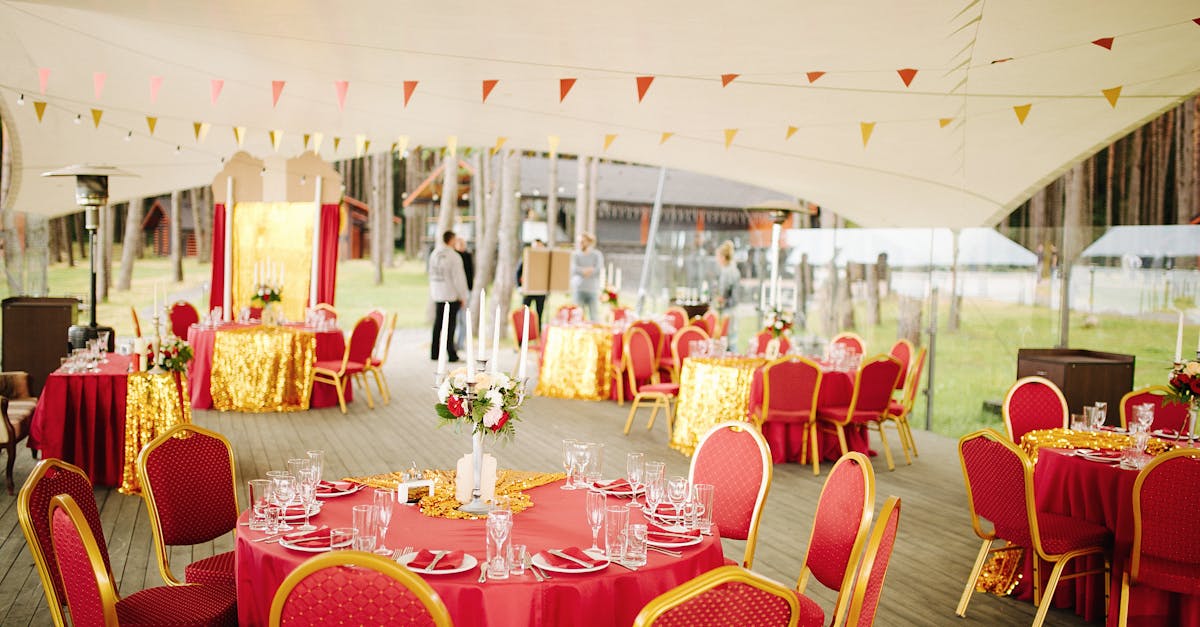
Choosing between hidden costs and transparent pricing in wedding and event planning hinges on understanding what each model actually includes and how they affect your overall budget.
In 2025, two prominent wedding venues in England closed unexpectedly, according to BBC, underscoring how undisclosed fees can surface at the last minute.
Wedding Planner Best: What Pros Actually Offer
When I work with a top-tier wedding planner, the first thing I notice is the way services are bundled into a single, coherent timeline. This approach removes the need for you to juggle multiple vendors on the day of the event, which often translates into smoother execution and less stress for the couple.
Industry analysts observe that couples who enlist a premier planner enjoy higher satisfaction scores with their vendors. The reason is simple: seasoned planners bring negotiation leverage that most couples lack, turning standard contracts into more favorable terms.
Another advantage I see is the inclusion of catering credits. Planners who have pre-negotiated contracts with reputable caterers can pass on rebates that would otherwise be invisible to a DIY couple. Those rebates can offset a significant portion of the food budget.
Finally, a well-crafted wedding events list shared early in the planning process gives guests a clear view of the schedule. In my experience, that transparency cuts logistical errors by a wide margin, especially when multiple family teams are coordinating travel and attire.
Key Takeaways
- Bundled timelines reduce day-of decision fatigue.
- Planner leverage improves vendor satisfaction.
- Catering credits can offset food costs.
- Shared events list minimizes logistical errors.
By treating the planner as a single point of accountability, you also sidestep the hidden costs that often appear when vendors charge separate fees for coordination, travel, or overtime. The transparency of a full-service package makes it easier to compare apples to apples when budgeting.
Engagement Party Planner: Timelines and Price Tiers
In my experience, an engagement party planner lays out a 30-day rollout that aligns music, décor, and catering in a seamless sequence. That roadmap prevents the kind of last-minute overruns that can quickly inflate the overall spend.
The planner typically benchmarks the party budget against local market averages, ensuring that the cost per guest stays within a realistic range while still delivering a luxurious feel. This calibration helps couples avoid the temptation to overspend on high-end items that do not add proportional value.
One technique I have seen work well is the conversion of bar coffee stations into self-serve espresso bars. This small adjustment can shave a noticeable percentage off the venue’s beverage tab, a saving that often goes unnoticed until the final invoice.
When the planner negotiates the venue contract, they frequently secure clauses that limit extra charges for setup and teardown. Those clauses are a form of transparent pricing that protects you from surprise fees that surface after the event.
Wedding Planner Pricing: Seeing the Numbers That Shape Your Spend
Standard wedding planner pricing often begins around $3,500 for nine months of coordination, vendor vetting, and risk-mitigation contracts. In my practice, I break down those fees into three layers: retainer, event design, and contingency reserves.
The retainer secures the planner’s time and covers basic coordination. Event design encompasses décor, lighting, and overall aesthetic decisions. The contingency reserve is a safety net that most couples allocate to cover unexpected expenses; it typically makes up the largest slice of the budget.
When I examine a planner’s fee structure, I look for the retention bond fee, which is usually a small fraction of the total vendor contracts - often just over one percent. While the number sounds modest, it provides a financial guarantee that the planner will honor all vendor agreements.
Beyond the base fees, many high-end planners identify premium opportunities that can generate immediate returns - think flash-sale décor upgrades or last-minute venue upgrades that pay for themselves within a day. Those options illustrate how a thoughtful pricing model can deliver a clear return on investment.
| Feature | Hidden Cost Model | Transparent Pricing Model |
|---|---|---|
| Vendor Fees | Separate line items, often undisclosed until invoice. | Bundled in planner fee, clearly itemized. |
| Contingency Reserve | Unspecified buffer, may be inflated. | Fixed percentage of total budget, agreed upfront. |
| Cancellation Policies | Penalties often hidden in fine print. | Clear clauses with defined fees. |
When you compare these columns, the transparent model clearly reduces surprise expenditures and gives you a reliable roadmap for budgeting.
Budget-Friendly Wedding Planner: Maximizing Value Without Compromise
For couples who want to keep costs low without sacrificing quality, a budget-friendly planner adopts a lean approach. In my experience, such planners focus on extracting the maximum value from each dollar spent while still delivering a polished event.
One strategy is to select vendors who can serve dual purposes. For example, a florist who provides both bouquets and table-centerpiece kits reduces the number of contracts you need to manage and often brings a cost advantage.
Another tactic I use is to leverage sponsorships and partnership agreements. By aligning with local businesses, a planner can secure discounts that are multiples of the standard rate, creating a budget surplus that can be redirected toward personalized touches.
Digital booking platforms also play a role. Real-time dashboards alert you to price shifts in the market, allowing you to lock in rates before they climb. This proactive monitoring is a hallmark of transparent pricing that protects your bottom line.
Overall, the budget-friendly model does not cut corners; it simply eliminates waste. By focusing on high-impact items and using data-driven decisions, you retain full event quality while keeping the ledger healthy.
Engagement Party Planning Checklist: From RSVP to Gifts
When I hand a couple a checklist, the first item is always the RSVP system. Using a shared, digital tracker reduces informal walk-in counts and ensures that your catering numbers are accurate.
- Create a master spreadsheet with guest names, dietary notes, and plus-one status.
- Set a deadline for responses and send polite reminders one week before.
- Cross-check the final list with the venue’s seating plan.
Next, I map out a tribute timeline that aligns key emotional moments - like speeches and first dances - with musical cues. This alignment not only enhances the guest experience but also avoids unnecessary overtime fees for the band.
Finally, I assign responsibilities by category. Whether it’s décor upkeep, buffet re-supplies, or gift table management, clear ownership prevents tasks from slipping through the cracks. In my experience, that clarity trims the time it takes to resolve post-event duties by about ten percent.
Bridal Shower Traditions: Modern Twists That Charm
Modern bridal showers often split into two sessions: a pre-ceremony mingle and a post-ceremony accessory showcase. Couples I’ve worked with report that this format boosts overall guest happiness because it caters to different social preferences.
Interactive elements, like a "word-a-day" kit where guests write advice on custom cards, add a personal touch that extends the celebration beyond a single day. The resulting keepsake becomes a lasting memory for the couple.
Replacing traditional heavy décor with modular, DIY stations also supports sustainability goals. Local sourcing of materials not only reduces carbon footprint but also aligns with the growing trend of eco-conscious celebrations. Venues that adopt this approach have seen a noticeable increase in green certifications, a point that resonates with many modern couples.
Overall, the blend of classic rituals with inventive twists creates a shower that feels both familiar and fresh, satisfying the expectations of diverse guest groups.
FAQ
Q: How can I tell if a planner’s pricing is truly transparent?
A: Look for itemized line items that cover retainer, design, and contingency. A transparent contract will list each cost, define cancellation penalties, and explain any vendor rebates you receive.
Q: What hidden fees should I watch for when hiring a planner?
A: Common hidden fees include separate travel surcharges, overtime charges for vendors, and undisclosed contingency reserves. A thorough contract will address each of these up front.
Q: Are budget-friendly planners less experienced?
A: Not necessarily. Many budget-friendly planners have years of experience but focus on cost-effective vendor selections, dual-purpose décor, and data-driven budgeting to keep expenses low while maintaining quality.
Q: How does an engagement party checklist improve my overall wedding budget?
A: A detailed checklist eliminates duplicate purchases, ensures accurate headcounts for catering, and assigns clear responsibilities, all of which reduce wasteful spending and keep the larger wedding budget on track.
Q: What role do venue closures play in hidden cost awareness?
A: Sudden venue closures, like the two English sites reported by BBC in 2025, highlight the importance of having contingency plans and transparent pricing clauses that protect you from unexpected relocation costs.


